


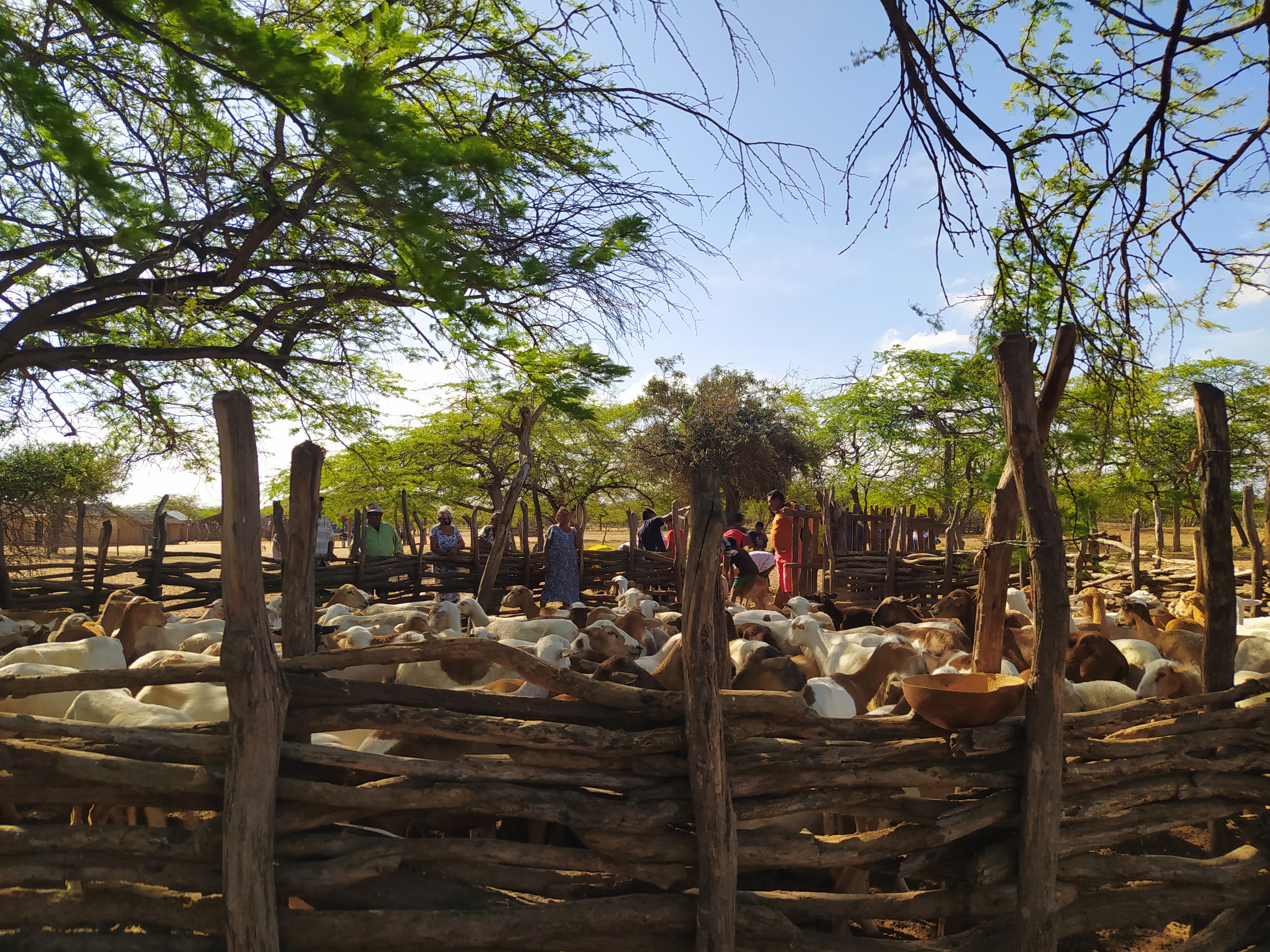


Food security
It is the guarantee that all people have physical and economic access to sufficient, safe, and nutritious food for an active and healthy life.
Find information here on access to food, nutrition, and the progress of local and national projects within the framework of this right.

We answer your questions
-
A Food Production Unit for Self-Consumption (UPAA) is a space in participating households set aside for the production of agricultural and/or livestock food, which will be used to feed the members of the household. n The UPAA seeks to contribute to food access and consumption through the production of food for self-consumption and the promotion of healthy eating habits and lifestyles. The specific objectives of the project are “to establish food production units for self-consumption through the delivery of inputs, technical support, technical visits, and community strengthening activities” and “to promote healthy eating habits and lifestyles within the framework of self-care, environmental, and healthy eating practices.”
-
It is based on the idea that the first 1,000 days of life—from conception (pregnancy) to the first two years of a child's life—are a critical and unique window of opportunity to ensure growth, physical and cognitive development, and long-term health. Its goal is to prevent chronic malnutrition, improve maternal and child health, and ensure that children have the necessary conditions for full development.
-
To access the project, households must: reside in the areas selected in the territorial targeting process developed by Prosperidad Social for the corresponding intervention, be selected by the ethnic authorities of their communities, in accordance with the consultation process carried out with Prosperidad Social, be households from indigenous communities whose council/authority must be registered with the Ministry of the Interior in the Directorate of Indigenous, Roma, and Minority Affairs and its Traditional Authority, at the time of the socialization and consultation processes, have a Colombian citizenship card or identity card for those over 14 years of age or an indigenous IPS code or certificate of survival signed by the ethnic authority registered with the Ministry of the Interior, have the use of the land under any modality, and have access to water resources for the development of the project.
-
The ICBF's “1000 Days to Change the World” strategy is an intervention that is accessed through the identification and prioritization of the most vulnerable population. The ICBF, in coordination with health authorities and community leaders, identifies children under the age of 5, as well as pregnant women, who are at risk or show signs of malnutrition. Once identified, beneficiaries receive a care package aimed at their nutritional recovery and well-being.
-
To be a beneficiary of the Productive Initiatives of the Ministry of Agriculture and Rural Development (MADR), Wayuu communities and families must participate in the calls for proposals, programs, or targeting processes carried out by the Directorate of Productive Capacities and Income Generation, the entity responsible for coordinating productive actions within the framework of Ruling T-302 of 2017. Access is generally through: • Community organizations, producer associations, or organized ethnic groups that submit applications or projects. • Wayuu traditional authorities, who can nominate families from their rancherías or clans. • Territorial targeting processes, when MADR carries out direct interventions in the municipalities covered by the ruling (Uribia, Manaure, Maicao, and Riohacha). The initiatives or projects prioritize rural communities located in the Comprehensive Response Territories (TRI) of the four municipalities covered by the ruling. Criteria such as heat maps of deaths or risk of child malnutrition, prepared by the Ministry of Health and Social Protection and the ICBF, are considered for this targeting. Areas where educational institutions, ICBF service units, or service points that concentrate the population covered by Ruling T-302 of 2017 are located are also prioritized. These criteria make it possible to strengthen food security and availability, the livelihoods of Wayuu families, and the productive vocations of the territory, directing interventions toward the areas with the greatest vulnerability and need.
-
Access to a CRN is mainly through referral from the health system, the ICBF, or the community itself, with priority given to children under 5 years of age who are at nutritional risk.
-
You can become a beneficiary by participating in the calls for proposals opened by AUNAP to support artisanal fishing and aquaculture projects. Generally, fishermen's associations or organized communities apply, and then register their members. AUNAP prioritizes rural and ethnic communities, providing supplies, training, and technical support to strengthen fishing production and the care of aquatic resources.
-
ICBF Nutritional Supplements can be accessed by enrolling in its early childhood programs, through referral from the health sector, or through special projects in prioritized communities.
Entities that make up the Technical Committee on the Human Right to Food and Productive Capacity Development




Food security for the Wayúu Indigenous People
Learn more about rights and their enforcement






A'inmajaa eküülü anaasü
Shia ei'iyatiaakaa namüin napüshua'a naa wayuukana eeinjatüin nneerüin nama'ana otta eein nneerü sülianjatü eküülü wainma, anain otta katchinjanain neiruku sütüma süpüla anaijanain jee nojoluin ayulee.
Pünta sünain ya'aya tü e'itpaka aiinjunuin süpüla eeinjatüin eküülü, otta tü aa'innakaa sutuma tü a'yatawaakat sünain apa'a eküülü sulu'u noumain Wayuu soo'opüna tü kajutaaka.
Wakujeerü tü nnojotkat putüjaain aa'u
-
Tü kanüliakat Unidad de Producción de Alimentos para el Autoconsumo (UPAA) shia wane mma akatalüsü sütuma tü miichii aneekajushikat süpüla supünajünüin eküülü y/o saimajünüin mürüt, neküinjat naa kepiakana sulu'u tü miichikat. Tü UPAA münakat achajasü akaliinjaa süpüla einjatüin otta ekünüinjatüin tü ekütkat, sünainjee napünajüin neküin, ekiraajünüshi sünain anaainjatüin sünekajia tü eküütkat, anaainjatüin nakuaipa. Tü a'yatawaa proyecto namakat susawateematüin malu'u "Supansaajeerein tü Unidad de Producción de Alimentos para el Autoconsumo münakat sünainjee naapüin tü kasa cho'ujakat sünain na'yataikat, yalaijana namaa na atüjaashiikana saa'u sukuaipa apünaja, analanüinjana sütüma tü atujaskalüiru'ua otta achechera naa'yatainkat nepialu'u", je "ekiiraja sünain anaainjatüin sünekajia tü ekütkat je ana'injatüin nakuaipa soo'opüna tü aa'inakat sünainjee aa'inmajiraaka, nepialu'upüna je neküin eküülü anaas.
-
Aikalerushi sünain jülüjain añu tü palajatkat 1.0000 ka'i sünain katta o'u - o'unusu sünainjee süleeru'u nii (ipoolüin) antüin sünain piama nouyase naa tepichi toolo jo jiet - shia wane wentaana kapüleesü je waneesia süpüla sukeraajüin nemio'ulaain, naja'pülaain je natüjain ma'in, je anaa watta ka'i. Susawateein süyakayale'ereein tü jamükat kakaiyakat, süno'outtein sütsiin nii-joukai je süpansaajein sukuaipa wane kasa anaas süpüla anaainjanain naa tepichikana tooloyu je jieyu mio'ujanain süka anaa akuaipa.
-
Süpüla alataa sünaimüin tü a`yatawaa proyecto münakat, Tü miichikalüirüa acheküsü: eìnjana kepiain yaa sulu'u tü mmapa'a aneekushi sünainjee waraitüin sulu'upüna mmaapa eekai shitaushiipa ama süpüla saapanüin, naaneekajala naa laülaayukana sulu'ujana noumain wanawainjat sümaa tü antuipaka amüin tü akalinjiaka wayuu, shia apushii Wayuu eere shiishajirüipaa chaya sulu'u tü Ministerio del Interior münakat, Laülaapia mio'usükat eere shiatanüin amaa sukuaipa Wayuu, jitana, otta naa palirüin sumaa naalaülaase, wamaa sumaa o'ukajawa süchirüa aneeka einjatu cedula kolompiana je tarjeta ayawatia naamüin naa po'oloinakat pienchimüin nouyase je shiyawase IPS Wayuu akuujakat nachiku sünain katüin no'u sunüliamainjatü tuu wayuu laülaa chakat anulia sulu'u Laülaapia mio'usuka (Ministerio del Interior), eesü süpüla jaapain tü mmaapaka eweree jucheküin tü jamüin sukuaipa e'in shia jumaana e'paa tü wuinkalu'u juumana.
-
Tü aa'innajatka sütüma ICBF "Mil dias para cambiar al mundo" shia wane saapaya sulatüinjatüin sumapunaa tü shiyawasekat otta palajanain tu miichipaa noojotkat sotüin anñu. Shia ICBF, sumajira tü sulaulaaka salud jee shikiipujat miichikalüirua, shiawatüin naa tepichikana tooloyu je jieyu nnojoliiyüliikana ekeraajüin jarai juya, maaka saain jieyukat ipoonnü, ayuiijashii sümaa kachoin jayasüü nau sünain jamüsirüin. Uwatua aneekunushii naaapainaaka wane pakeetee achajashii annatirawa neküin je anaa.
-
Süpüla kamüinjaanain, naa Wayuukana otta naa apüshikana e'weshi sünain neenajünüin napüshua'a süjütalu'uin Ministerio de Agricultura y Desarrollo Rural münakat. Waneepia, e'keerotsü sünainje wane a'yatawaa e'iiyatünüshi sütüma tü kolotirakana nepiapa'a, akotchijirakat namaa naa apünajülika neküin je laülaayuu sulu'u noumain, nayajaa ashajiraka naapüshi. Aneekünüshii naa Wayuu mojuipajana eekai naachajain nakatchiirüin sukuaipa neekülee je apünaja nautpaa.
-
Süpüla shikerolu'unjatüin sulu'u wane Centro de Recuperación Nutricional münakat palajana süluwatain nakarnesekat eree neerejetnüin, sümüin ICBF o eere na kepiain, kapülainjana naa tepichi tooloyu je jiet nnojoliiyüliikana ekeraajüin jarai juya eekai sajachijaain sütüma nnojolin ana'in neeküin.
-
Eesü Süpüla kamüinjaanain nenajünaapa napüshua'a süjütalu'uin AUNAP münakat süpüla napüjiain proyectos süchiki alojoo jime je apünaja jime. Waneepia, neeitain nanülia naa akotchojirashikana sünain olojoo jime jo kolotirakana sulu'u wane mma sünain lotüin nakuaipa, naaya ashajiraaka napüshikana. Tü AUNAP münakat kapülainsü naapüla naa kolotirakana kepiakana anooipa'a sülia tü pueulokat je wayuukanüirüa, napüin tü naayatalainjatka aka, nekirajüin je eesü namaa naa atüjashikana süchiki tia süpüla akatchinja süpünajia jime je aa'inmaja tü eekat shirokü paalakat.
-
Süpüla shikerolu'unjatüin sünain akaa`amüinja saaka shiküin sümaa ICBF ashajirüinjat sümaa tü programa süpülakat tepichi jouyu, sülatirüin tü sükarnesekat eere shireejennüin jo sünainjee proyectos anakana ma'in sulu'u tü mma aneeküjushi..
Laülapia achajaaka painwa sünain koolotirain süchirua tü kajutaka wayuu süpüla einjatuin aimajunuin tu eküülü wamepiia
A'inmajaa eküülü anaasü naapula Wayuukana
Puchajaa saamuin tu lotookot akuaipa ottaa shikeraajia
Seguridad alimentaria
Es la garantía de que todas las personas tengan acceso físico y económico a alimentos suficientes, seguros y nutritivos para una vida activa y saludable.
Encuentre aquí datos sobre el acceso a la alimentación, la nutrición y el avance de proyectos locales y nacionales en el marco de este derecho.
Resolvemos sus dudas
-
El objetivo es garantizar el desarrollo y la protección integral de la niñez Wayúu, para contribuir a la mitigación de la desnutrición, fortaleciendo acciones de cuidado y favoreciendo las habilidades culturales de niñas, niños y adolescentes Wayúu desde su cosmovisión, su lengua y su territorio.
La guía busca que las comunidades lideren su propio sistema de vigilancia nutricional y que las acciones del Estado se realicen en diálogo genuino con las autoridades ancestrales y/o tradicionales para proteger los derechos de la niñez y la familia Wayúu, favoreciendo a la vez acciones de soberanía alimentaria y pervivencia cultural del Pueblo Wayuu. -
La atención se construyó a partir de los diálogos genuinos entre el ICBF, autoridades ancestrales, tradicionales y referentes de las comunidades Wayúu de los cuatro municipios señalados en la Sentencia T-302 de 2017: Uribia, Manaure, Maicao y Riohacha.
De estos encuentros nacieron propuestas que combinan el conocimiento ancestral y la experiencia institucional, con el fin de crear una atención propia e intercultural que responda a las necesidades del territorio. -
La atención se organiza en cuatro hilos que representan caminos de acción y pensamiento Wayúu:
- Pervivencia cultural: protege la lengua, tejidos, los cantos y las prácticas propias de la comunidad.
- Cuidado propio, colectivo y del entorno: promueve el bienestar de la familia, de niñas y niños especialmente de primera infancia, desde el sentido cuidado colectivo y propio, así como del territorio y la naturaleza como un solo tejido.
- Seguridad y soberanía alimentaria: fortalece la producción y el consumo de alimentos propios y saludables, impulsando estrategias para favorecer la soberanía alimentaria del Pueblo Wayúu.
- Fortalecimiento comunitario: impulsa la organización y la toma de decisiones conjuntas para resolver las necesidades comunes, favoreciendo ejercicios de diálogo y control social respecto a la implementación de la atención Wayúu.
-
Una unidad ejecutora es la organización, asociación o aliado que realiza la implementación de la atención integral. Administra la atención y los recursos.
Puede ser una asociación de autoridades ancestrales o tradicionales o una organización indígena avalada por representantes de las comunidades.
Para ser unidad ejecutora debe:- Tener reconocimiento legal o estar respaldada por las autoridades tradicionales.
- Contar con un equipo de trabajo preparado para acompañar a las familias y niñas y niños y con experiencia y conocimiento de la cultura Wayúu.
- Administrar con responsabilidad los recursos y cumplir los acuerdos establecidos en el territorio.
-
Una unidad de atención está formada por un conjunto de comunidades Wayúu vecinas o amigas que deciden agruparse para recibir la atención integral.
Esta agrupación se define en diálogo con las autoridades ancestrales o tradicionales, teniendo en cuenta la cercanía entre comunidades, los lazos de amistad y la posibilidad de desplazarse entre ellas.
Esta agrupación se define en diálogo con las autoridades ancestrales o tradicionales, teniendo en cuenta la cercanía entre comunidades, los lazos de amistad y la posibilidad de desplazarse entre ellas.
Cada unidad de atención reúne, en promedio, alrededor de 160 familias que habitan de manera permanente el territorio rural en las comunidades de los cuatro municipios priorizados por la Sentencia T-302 de 2017: Uribia, Manaure, Maicao y Riohacha. En algunos casos, una sola comunidad puede cumplir con ese número de familias y funcionar como unidad de atención.
Estas unidades son espacios vivos donde se desarrollan los cuatro hilos de la atención: la pervivencia cultural, el cuidado propio y colectivo, la seguridad alimentaria y el fortalecimiento comunitario y cuentan con un talento humano que hace parte de las comunidades y vive en los territorios en los que se implementa la atención. Además, pueden incluir lugares comunales o zonas adaptadas pedagógicamente para las actividades. -
Los encuentros por hilos se desarrollan en los propios espacios comunitarios: rancherías, lugares de reunión o zonas identificadas como seguras por la comunidad.
Cada hilo tiene sus actividades específicas, pero todos buscan fortalecer el tejido cultural, experiencias pedagógicas para niñas, niños de primera infancia, infancia y adolescencia, como también familiar y comunitario:- Hilo de Pervivencia Cultural: encuentros de transmisión de saberes, lengua materna, cuentos, cantos y prácticas de parto y crianza.
- Hilo de Cuidado Propio, Colectivo y del Entorno: actividades sobre los primeros mil días de vida, el cuidado del agua, el entorno y el rol de las mujeres, cuidado de niñas y niños de primera infancia y consolidación un sistema de cuidado.
- Hilo de Seguridad y Soberanía Alimentaria: preparación de alimentos tradicionales, seguimiento nutricional, fortalecimiento de la soberanía alimentaria y desarrollo de la iniciativa comunitaria.
- Hilo de Fortalecimiento Comunitario: espacios de decisión y organización entre las familias, autoridades y jóvenes para resolver asuntos comunes, control social, seguimiento a la iniciativa cultural y comunitaria.
- Encuentros en el hogar
- Encuentros infantiles
- Encuentros familiares
- Encuentros comunitarios
- Los encuentros pueden ser con niños, niñas y adolescentes; familiares o comunitarios, y se alternan entre los hogares y los puntos comunitarios que tenga cada comunidad para la atención especialmente de niñas o niños de primera infancia, según la planificación acordada con cada una de las comunidades que hacen parte de cada Unidad de Atención.
Hay cuatro tipos de encuentros: -
El talento humano de cada unidad de atención debe pertenecer y ser concertada por cada una de las comunidades Wayúu que conforman la unidad. El ICBF brinda una inducción inicial para fortalecer sus capacidades y garantizar que la atención se realice con respeto por la cultura y las formas propias de cuidado. Entre esto se encuentran:
- Líder cultural y pedagógico: lidera el funcionamiento de la Unidad de Atención, contribuye a la planeación pedagógica, y aporta a la consolidación del observatorio de derechos de la niñez, seguimiento al desarrollo integral infantil y el plan operativo y pedagógico.
- Agente educativo comunitario con liderazgo en la comunidad: realiza la planeación estratégica, los encuentros, las experiencias pedagógicas, emite alertas de salud de la comunidad, seguimiento al desarrollo integral de niñas y niños y favorecer la consolidación del observatorio de derechos de la niñez.
- Dinamizador Comunitario con conocimiento de la cultura: Desarrollar acciones de articulación entre las comunidades y otros actores locales que puedan beneficiar el proceso y la iniciativa comunitaria, favorece el control social y asambleas en las que se acuerdan acciones para la implementación de la atención.
- Gestor de alimentación territorial con conocimiento de preparaciones gastronómicas ancestrales: favorecer el desarrollo de prácticas culturales propias del pueblo Wayúu, para favorecer una alimentación acorde con la cultura y formas de almacenamiento y preparación de los alimentos, acompañar la combinación de alimentos teniendo en cuenta las necesidades de cada participante especialmente, en la población de primera infancia. Identificación y reportes de casos de desnutrición.
- Promotor de cuidado con conocimiento de medicina propia Wayúu: toma de medida de antropométricas especialmente de la niñez de primera infancia, capacitación, desarrollo de acciones de promoción y prevención de niñas, niños y adolescentes que hacen parte de la atención, aportar a la consolidación del sistema comunitaria de vigilancia nutricional.
- Nutricionista: realiza el seguimiento nutricional, activación de rutas para la atención de situaciones que pueden amenazar los derechos de la niñez especialmente de primera infancia, favorecer la consolidación del sistema comunitario de vigilancia nutricional.
-
Significa que las decisiones, los saberes y las prácticas del pueblo Wayúu están en el centro de la atención. Lo “propio” viene de su cultura y su organización; lo “intercultural” permite que las instituciones del Estado acompañen respetando las formas de vida Wayúu. La atención no impone, sino que escucha, aprende y se ajusta al territorio y sus autoridades.
-
Porque permite que la atención a la niñez y la familia se organice desde las formas propias del pueblo Wayuu. También promueve el diálogo con el Estado, el respeto a su cultura y el fortalecimiento de su autonomía territorial.
Con esta guía, el cuidado de niñas y niños deja de ser responsabilidad de una sola persona y se convierte en una tarea colectiva que une a las familias, las autoridades y las instituciones. -
El Servicio Integrado de Atención y Prevención de la Desnutrición constituye la estrategia del Instituto Colombiano de Bienestar Familiar (ICBF) para consolidar un enfoque preventivo y territorial en el abordaje de los determinantes sociales de la desnutrición infantil. Surge en 2025 como resultado de la transformación de las modalidades “1.000 Días para Cambiar el Mundo”, Centros de Recuperación Nutricional y Unidades de Búsqueda Activa, con el propósito de integrar en un solo servicio las acciones dirigidas al tratamiento de la desnutrición aguda y a la prevención del bajo peso al nacer en niñas y niños menores de cinco años.
El programa reconoce la diversidad cultural y territorial del país, especialmente en contextos étnicos como el pueblo Wayúu, y se orienta a fortalecer las capacidades familiares y comunitarias bajo el principio de corresponsabilidad entre el Estado, la sociedad y las familias.
El Servicio orienta las intervenciones hacia el entorno extramural, con posibilidad de abordaje intramural cuando la condición clínica lo exija, y promueve la articulación transectorial, en especial con el sector salud, conforme a los lineamientos del Mecanismo Especial de Seguimiento y Evaluación de las Políticas Públicas (MESEPP). Sus acciones se estructuran en cuatro componentes técnicos:- Fortalecimiento familiar y comunitario, dirigido a promover prácticas de cuidado y corresponsabilidad.
- Educación para la salud alimentaria y nutricional, enfocada en la promoción de hábitos saludables y alimentación adecuada.
- Valoración y seguimiento del estado nutricional, que integra la vigilancia del crecimiento y desarrollo con rutas de atención en salud.; y
- Complementación alimentaria, como apoyo temporal para el restablecimiento nutricional y la prevención de riesgos.
Estos componentes se armonizan con las líneas de acción del Derecho Humano a la Alimentación Adecuada (DHAA), los sistemas alimentarios locales, las tradiciones culturales y las pautas de crianza propias de cada territorio.
El servicio dispone de un talento humano interdisciplinario conformado por profesionales en nutrición y trabajo social, auxiliares de enfermería y gestores comunitarios, quienes desarrollan la atención directa en las comunidades y coordinan las acciones de articulación intersectorial. Su despliegue territorial se sustenta en el Sistema Nacional de Bienestar Familiar (SNBF) y en los Territorios de Respuesta Integral (TRI), asegurando que las intervenciones respondan a las condiciones y dinámicas socioculturales de las familias y comunidades en riesgo. -
El acceso al Servicio Integrado de Atención y Prevención de la Desnutrición se realiza por demanda, a partir de la identificación de niñas y niños menores de cinco años y de mujeres en gestación o periodo de lactancia con alteraciones en su estado nutricional. La identificación se efectúa mediante el tamizaje nutricional por antropometría y la exploración de signos clínicos asociados a la desnutrición, que permiten clasificar los casos en desnutrición aguda moderada o severa, riesgo de desnutrición aguda o malnutrición en el caso de las gestantes.
La población sujeto de atención incluye:- Niñas y niños menores de cinco años con diagnóstico o riesgo de desnutrición aguda de etiología primaria.
- Mujeres en estado de gestación o lactancia con diagnóstico de malnutrición.
- Niñas y niños nacidos durante el acompañamiento del binomio madre-hijo en el marco del servicio.
El servicio desarrolla acciones continuas de búsqueda activa, captación e identificación de casos a través del desplazamiento territorial de equipos interdisciplinarios conformados por profesionales en nutrición, trabajo social, auxiliares de enfermería y gestores comunitarios. Estos equipos operan de manera prioritaria en los cuatro municipios accionados por la Sentencia T-302 de 2017 (Uribia, Manaure, Maicao y Riohacha), y en los territorios definidos como Territorios de Respuesta Integral (TRI), donde se concentran los mayores riesgos de morbilidad y mortalidad por desnutrición. -
El acceso al entorno intramural del Servicio Integrado de Atención y Prevención de la Desnutrición se enmarca en la Ruta de Atención y Prevención de la Desnutrición definida por la Resolución 2350 de 2020 del Ministerio de Salud y Protección Social. Esta ruta establece el manejo ambulatorio como primera alternativa para el tratamiento de la desnutrición aguda, privilegiando la recuperación en el hogar y el fortalecimiento de las capacidades familiares y comunitarias
Sin embargo, en contextos como el departamento de La Guajira, donde la dispersión geográfica, las limitaciones en el acceso a servicios de salud y la concurrencia de determinantes sociales complejos incrementan el riesgo de morbilidad y mortalidad por desnutrición aguda, el ICBF dispone de un entorno intramural que complementa la atención ambulatoria y permite garantizar la continuidad del tratamiento en condiciones controladas
El entorno intramural y/o los Centros de Recuperación Nutricional (CRN), operan en articulación con el sector salud y está orientado a facilitar el seguimiento clínico y nutricional de los casos identificados, la asistencia a controles médicos, y la atención de niñas y niños que, por su condición o contexto, no pueden recibir manejo efectivo en el hogar
Para la atención intramural, el servicio cuenta con un equipo interdisciplinario conformado por un profesional en nutrición, un profesional social y personal auxiliar en enfermería, responsable del acompañamiento continuo, la educación alimentaria y el seguimiento del proceso de recuperación nutricional
La complementación alimentaria en este entorno es individualizada. Cada usuario recibe el 100 % del aporte calórico diario requerido, con seguimiento permanente para ajustar la dieta según la evolución del caso. El plan alimentario se incrementa de manera progresiva hasta alcanzar el crecimiento compensatorio y la recuperación nutricional sostenida, articulando los esfuerzos del ICBF con las acciones del sector salud en el marco del Sistema Nacional de Bienestar Familiar (SNBF) y los Territorios de Respuesta Integral (TRI). -
La complementación alimentaria en el servicio Integrado de Atención y Prevención de la Desnutrición, está conformada por ración preparada, ración para preparar y Alimento de Alto Valor Nutricional-AAVN.
Esta complementación alimentaria está conformada por alimentos naturales y mínimamente procesados de acuerdo a los hábitos, las costumbres y cultura alimentaria buscando que la alimentación sea culturalmente aceptada, nutricionalmente balanceada, armónica en cantidad y calidad y promotora de sistemas sustentables y sostenibles, limitando al máximo la posible vinculación de productos bebibles y comestibles ultraprocesados procesados, la cual incluye agua como componente vital en la Soberanía Alimentaria y garantía del derecho Humano a la alimentación (DHA para el consumo diario y la preparación de alimentos, 30 litros por mes) en las diferentes opciones de ración de alimentos - RFPP. -
Una Unidad de Producción de Alimentos para el Autoconsumo (UPAA) es aquel espacio de los hogares participantes destinan para la producción de alimentos agrícolas y/o pecuarios, que serán utilizados para la alimentación de los integrantes del hogar. Con la UPAA se busca contribuir al acceso y consumo de alimentos, a través de la producción de alimentos para el autoconsumo, la promoción de hábitos alimentarios y estilos de vida saludables. El proyecto tiene como objetivos específicos "establecer unidades de producción de alimentos para el autoconsumo a partir de la entrega de insumos, acompañamiento técnico, visitas técnicas y actividades de fortalecimiento comunitario", y "promocionar hábitos alimentarios y estilos de vida saludables enmarcado en prácticas de autocuidado, de entorno y alimentación saludable"
-
Para acceder al proyecto, los hogares deben: residir en las zonas seleccionadas en el proceso de focalización territorial desarrollado por Prosperidad Social para la correspondiente intervención, ser seleccionados por las autoridades étnicas de sus comunidades, de acuerdo con el proceso de concertación realizado con Prosperidad Social, ser hogares de comunidades indígenas cuyo cabildo/autoridad deberá estar inscrito al Ministerio del Interior en la Dirección Asuntos Indígenas, Rrom y minorías y su Autoridad Tradicional, al momento de realizaar los procesos de socialización y concertación, tener cédula de ciudadanía colombiana o tarjeta de identidad para los mayores de 14 años o código de IPS indígena o certificado de superviviencia suscrito por la autoridad étnica registrada ante el Ministerio del Interior, disponer del uso de la tierra bajo cualquier modalida y tener disposición y/o acceso a recursos hídricos para el desarrollo del proyecto.
-
Para ser beneficiario de las Iniciativas Productivas del Ministerio de Agricultura y Desarrollo Rural –MADR, las comunidades y familias Wayuu deben participar en las convocatorias, programas o procesos de focalización que adelanta la Dirección de Capacidades Productivas y Generación de Ingresos, entidad responsable de coordinar las acciones productivas en el marco de la Sentencia T-302 de 2017. El acceso generalmente se realiza a través de: • Organizaciones comunitarias, asociaciones de productores o grupos étnicos organizados que presentan solicitudes o proyectos. • Autoridades tradicionales Wayuu, quienes pueden postular a las familias de sus rancherías o clanes. • Procesos de focalización territorial, cuando el MADR desarrolla intervenciones directas en los municipios objeto de la Sentencia (Uribia, Manaure, Maicao y Riohacha). Las iniciativas o proyectos priorizan a las comunidades rurales ubicadas en los Territorios de Respuesta Integral (TRI) de los cuatro Municipios objeto de la Sentencia. Para esta focalización se consideran criterios como los mapas de calor de muertes o riesgo de desnutrición infantil, elaborados por el Ministerio de Salud y Protección Social y el ICBF. Asimismo, se priorizan zonas donde se encuentren internados educativos, unidades de servicio del ICBF o puntos de atención que concentran población objeto de la Sentencia T-302 de 2017. Estos criterios permiten fortalecer la seguridad y disponibilidad alimentaria, los medios de vida de las familias Wayuu y las vocaciones productivas del territorio, orientando las intervenciones hacia las áreas con mayor vulnerabilidad y necesidad.
-
Puedes ser beneficiario participando en las convocatorias que abre la AUNAP para apoyar proyectos de pesca artesanal y acuicultura. Generalmente, se postulan asociaciones de pescadores o comunidades organizadas, que luego inscriben a sus miembros. La AUNAP prioriza a comunidades rurales y étnicas, entregando insumos, capacitación y acompañamiento técnico para fortalecer la producción pesquera y el cuidado de los recursos acuáticos.